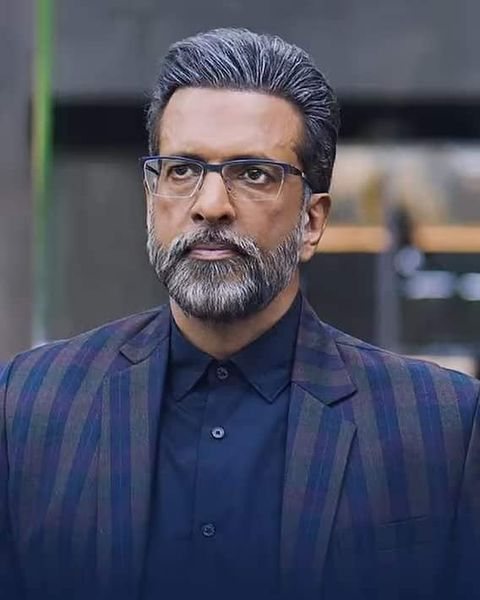

In an exclusive conversation with the pioneer, versatile entertainer, Javed Jaffrey takes us through his illustrious career, his latest role in The Magic of ShirI and his evolution from the comedic genius behind Takeshi’s Castle to an actor, dancer and voice artiste
Javed Jaffrey is more than just the comedic genius behind Takeshi’s Castle—he’s a versatile entertainer whose talents stretch far beyond game shows. From hilariously narrating contestants’ epic failures to turning every move into a punchline, he’s the man who made “falling face-first into mud” a comedic art form. A man of many talents, Jaffrey is also a renowned actor, dancer and voice artist. His dance moves in Bollywood films, especially in the iconic song Aja Meri Gaadi Mein from Taal, showcased his unmatched flair and rhythm. Whether playing quirky roles in films like Masti and Boom, or lending his voice to animated characters, he has consistently amazed audiences with his charm and energy. With a knack for effortlessly blending humour with drama, Javed is not just a television icon, but a true all-round performer who has kept the audience hooked with his every move.
Set in the transformative era of 1996, The Magic of Shiri delves into a time of cultural and economic change in India, with Salim, a seasoned magician, as one of its central characters. Reflecting on his portrayal of Salim, the actor shared, “It’s the first time I’m stepping into the shoes of a magician. The preparation was an exciting challenge, learning sleight-of-hand tricks and understanding the mechanics behind illusions required a lot of focus. Collaborating with a professional magician really opened up a new world for me.”
What added to the novelty was the opportunity to play a character much older than himself. “Salim is about 60, which actually matches my real age. But I’ve never played someone this age before, so it was fascinating to navigate the nuances of his persona. His journey is layered—he’s a once-successful magician, now grappling with setbacks in life. Without giving too much away, his past and his connection with the other protagonist create a poignant narrative of mutual healing and empowerment.” The story also explores a dynamic and unusual bond, one that borders on a father-daughter relationship. “Salim and the protagonist uplift each other in remarkable ways. It’s not just about him teaching her tricks; it’s about emotional and personal growth for both characters.”
What makes his latest project even more compelling is its focus on a middle-class homemaker who dares to dream big. “Her journey is extraordinary—she’s a wife and mother leading a typical domestic life until circumstances force her to rediscover herself. Pursuing magic in a male-dominated field is no small feat and that’s what makes this story so unique. We rarely see female magicians, even in real life. This narrative breaks that mold beautifully.”
With its rich themes and a strong, relatable protagonist, The Magic of Shiri offers more than a tale of magic—it’s a story of resilience and rediscovery. “It’s a refreshing take, something we haven’t seen before.”
When asked about balancing comedy with the dramatic depth required to portray Salim, the actor humbly acknowledged his range. “Well, yes, comedy is something I’m known for and I’ve often been recognised for my timing in that regard. But portraying Salim is different. There’s a lot of emotional depth to him, with themes of resilience and hardship woven into his story.”
He also teased an additional layer to Salim’s character that would be revealed later on. “There’s a self-discovery aspect to Salim’s journey, which plays a crucial role in the narrative. It’s about understanding who he is and what shaped him, uncovering the backstory that explains why he is the way he is today.”
Reflecting on his career trajectory, the actor acknowledged the shift in his recognition over the past decade. “Yes, for a long time, I’ve been associated with comedy. But there’s more to me and I’ve worked on different projects that have allowed me to explore darker, more complex roles. A while ago, I did a film with Ram Kapoor, which didn’t quite land as we had hoped. It’s always about what resonates with the audience,” he noted.
He also spoke of his recent venture with Bhuvan Bam in the second season of Taarak Mehta Ka Ooltah Chashma, where he played a much darker, morally ambiguous character. “It was refreshing to step back into a gray area after a long time, playing a character who wasn’t quite good or bad but somewhere in between. The response has been encouraging, and people have appreciated seeing this different side of me.”
The actor reflected on his recent transition from playing darker, more intense characters to stepping into a role filled with emotional depth and vulnerability. “It’s a fascinating experience to go from portraying a dark, almost monstrous figure to suddenly playing a sympathetic, older man. The audience has witnessed me in a completely different light and then, out of nowhere, I’m this emotionally complex character. For an actor, it’s a rewarding challenge to explore such contrasts within a short time frame. People will look at you and say, ‘We just saw him in a completely different role, and now he’s playing something entirely different.’ That’s the beauty of being an actor — being able to navigate these varied roles and showcase different facets of your craft,” he explained with enthusiasm.
Turning to his collaboration with Divyanka Tripathi, the actor shared insights into their creative process on set. “In our work, both of us bring our own unique approaches to the roles. I never try to interfere with how she prepares for her character, just as I focus on my own process. When we meet on set, it’s about letting the characters take center stage. The chemistry between us evolves naturally as we delve deeper into our roles. It’s not just about our individual performances but about how the characters interact and grow together.” The actor particularly remembered an emotionally charged scene, one that highlighted the profound connection between their characters. “That scene was intense. We both broke down emotionally, and it felt like a pivotal moment, not just for our characters but for our own connection on set. Moments like that define the relationship on screen.” Regarding Divyanka’s professionalism, the actor spoke highly of her dedication. “Despite her immense popularity in television, Divyanka approached this project with a deep sense of respect and professionalism. She understood the nuances of the character and as a senior, I appreciated how much respect she showed for the process. I wasn’t very familiar with her work before, but when we started working together, I was truly impressed. She has this natural dedication to her craft, and that’s something I really admire. When you have someone so committed to the role, it makes everything flow seamlessly, and it was a joy to collaborate with her.”
On the topic of responsibility as an actor, he shared a more introspective perspective: “As an actor, I don’t see my roles as making a social statement or carrying a heavy responsibility in the sense that people often perceive it. I’m part of a larger picture, a narrative that is meant to entertain and move people. However, I do understand that cinema, especially in a country like India, holds significant power. It influences people’s perceptions and in a way, it’s a mirror of society. We, as actors, need to be conscious of that power and the impact our roles might have on the audience. Cinema has a massive responsibility, particularly when it comes to giving voice to issues and telling stories that resonate with people who might not have other avenues for expression. For many, films become their teachers, their source of inspiration, and in that way, cinema becomes more than just entertainment — it becomes an integral part of their lives.”
He continued, “It’s crucial to understand that in a country like India, where many people face challenges accessing education or resources, cinema becomes their gateway to the world. It shapes how they see themselves, society, and the world at large. As an actor, you have to be aware of this responsibility, not in a burdensome way, but with a sense of reverence for the role you play in someone’s life. It’s an immense privilege to be able to contribute in any small way to shaping narratives that matter.”
The actor then reflected on a profound lesson passed down to him from his father. “My father had the privilege of working with some of the greatest talents in the industry, like Vinod Warsan and Madok Khan’s father. These figures, who became father figures to him after he lost his own father at a young age, played an integral role in shaping his understanding of cinema. He absorbed their wisdom and passed it down to us, teaching us about the true essence of cinema. One sentence my father often said that stuck with me was, ‘Cinema is life.’ It’s simple yet so powerful, capturing the very essence of what we do as actors — we bring life to stories, and in turn, the stories become a reflection of life itself.”
He paused for a moment, recalling the depth of those words. “I always believed in that philosophy. Cinema isn’t just about entertainment; it’s about connecting with people’s emotions, telling their stories and giving them something to hold on to. It’s a powerful medium that transcends time and age.”
On a thoughtful note, he added, “I feel like the responsibility I carry, both as an actor and as someone who has been influenced by these great mentors, is to continue that legacy. Cinema is a reflection of hope, a belief that passion and dedication can drive us forward, regardless of age or circumstances. It spreads hope, makes us dream and tells us that no matter what stage of life we’re in, we can keep our passions alive.”