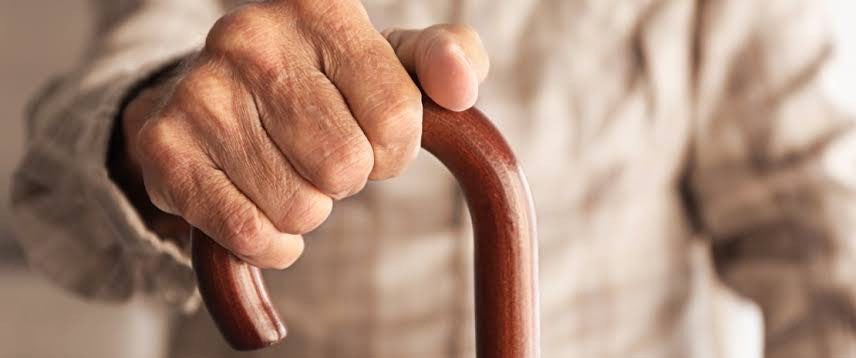

The prevalence of Sarcopenia increases with age, ranging from 5–13% in those aged 60–70 years to 11–50% in those 80 years and older. Forbes and Reina reported an average loss of 0.25 kg/year of lean muscle mass among those aged 22–53 years. Sarcopenia is defined as rapid muscle loss in terms of quantity and quality. It is a progressive skeletal muscle disorder associated with health risks such as physical dysfunction, chronic pains, falls, fractures and mortality. In my clinical experience of more than a decade, I have commonly seen Sarcopenia more prevalent in bedridden individuals, patients undergoing chemotherapy, obese individuals, organ transplant recipients, people who are chronically ill, and people with lesser mobility. A muscle starts deconditioning as early as 72 hours if it’s not subjected to sufficient movement. In the realm of ageing and health, sarcopenia has emerged as a silent but significant threat, affecting millions of individuals worldwide.
Preventive Aids:
Movement is Life: Resisted strength training is proven to increase muscle girth and its quality. Regular strength training prevents muscle loss. Aerobic exercises enhance the stamina and endurance of the muscles to sustain a movement. Thus, engaging in a combination of strength training, and aerobic exercises has scientifically proven to be a long-term effective measure to prevent Sarcopenia. Physical therapy, walking, swimming, and jogging can help prevent it.
Protein-Rich Diet: As we all have read; Protein is the primary building block for a muscle. Adequate protein intake is essential for muscle health. Incorporating pulses, sprouts, lentils, lean meat, eggs, dairy products, legumes, and plant-based protein sources into one’s diet can support muscle maintenance and repair.
Vitamin D and Calcium Supplementation: These play a vital role in bone health, nerve conduction, and muscle function. Ensuring sufficient intake as advised by a Physician, either through diet or supplements, can contribute to overall musculoskeletal well-being.
Hydration: Staying well-hydrated is often overlooked but is crucial for muscle function. Dehydration can lead to muscle cramps and weakness, exacerbating the effects of Sarcopenia.
Management Strategies:
Multidisciplinary Approach: Managing Sarcopenia requires a holistic approach involving healthcare professionals such as Physicians, Physical therapists, and Nutritionists. A detailed assessment and a supervised programme encompassing aerobic exercise, strength training and balance exercises have proved to be extremely effective in combating Sarcopenia.
Nutritional Counselling: Increased protein intake and required supplements can help reduce muscle wasting.
Fall Prevention: Sarcopenia is often linked to an increased risk of falls and fractures. Implementing measures to prevent falls, such as home modifications and balance exercises, is crucial in the management of Sarcopenia.
As we are accelerating towards AI, we are equally speeding towards a sedentary life. Lifestyle modification is the greatest preventive measure to prevent the occurrence of sarcopenia in the near future.